There was a time when flooring was an afterthought. It was the backdrop. It was the thing you walked on. It was functional, not fashionable. Homeowners picked a neutral carpet or a basic hardwood and moved on. They spent their energy on furniture, paint colors, and light fixtures. Flooring was just there. It did its job. It did not make a statement.
Those days are over. Flooring has moved from the background to the foreground. It is no longer just a surface. It is a design feature. It is a focal point. It is a way to express personality, style, and values. Homeowners are spending more time, more money, and more thought on their floors than ever before. Designers are treating flooring as a critical element of every project. The flooring industry is responding with innovation, variety, and creativity.
This shift is happening for a reason. Several reasons, actually. Social media has made us more aware of design. Open concept living has made floors more visible. The rise of remote work has made us care more about our surroundings. Health and wellness trends have made us think about the materials we live with. And the options themselves have exploded. You can now find flooring that looks like anything, feels like anything, and performs like nothing before.
Flooring is becoming a bigger part of interior design decisions. If you are planning a renovation, you need to understand why. You need to understand how flooring affects the look, feel, and function of your home. You need to understand the trends and the options. This article will explore the reasons behind this shift. It will help you see your floor not as a backdrop, but as a design opportunity.
The Rise of Open Concept Living
One of the biggest reasons flooring has become more important is the rise of open concept living. In the past, homes were divided into separate rooms. A kitchen was a kitchen. A living room was a living room. A dining room was a dining room. Each room had its own floor. You could have tile in the kitchen, hardwood in the living room, and carpet in the dining room. The transitions were hidden by doorways. You did not see the whole floor at once.
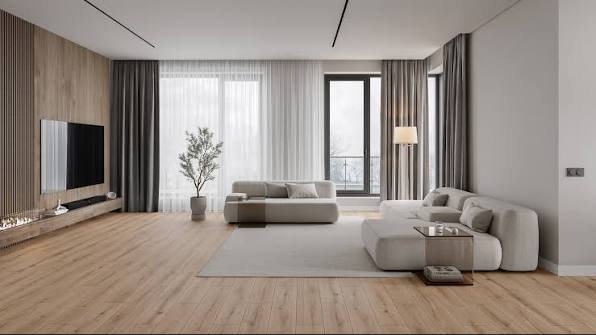
Today, homes are open. Walls have come down. Kitchens flow into living rooms. Living rooms flow into dining areas. The whole main floor is one continuous space. This means the floor is visible from every angle. It is one of the largest visual elements in the home. It sets the tone for the entire space. It connects the different zones. It creates flow.
When you have an open concept home, you cannot hide a bad floor. You cannot use a different floor in every corner. You need a floor that works everywhere. You need a floor that is beautiful, durable, and cohesive. You need a floor that can handle the kitchen, the living room, and the dining room without looking out of place.
This has led to the popularity of wood look tile and luxury vinyl plank. These materials can mimic the warmth of hardwood while providing the durability of tile. They can be used throughout the main floor. They create a seamless look. They are easy to clean. They handle spills and traffic. They are the perfect solution for open concept living.
It has also led to more thoughtful design. Homeowners are not just picking a floor. They are picking a foundation for their entire design. They are thinking about how the floor will interact with the cabinets, the countertops, the furniture, and the paint. They are thinking about how the floor will make them feel. They are thinking about the flow from room to room. Flooring has become a design decision, not just a construction decision.
Social Media and the Visual Culture
Social media has changed the way we think about our homes. We scroll through Instagram and Pinterest. We see beautiful spaces. We see perfectly styled rooms. We see floors that are works of art. We want what we see. We want our homes to look like the photos. We want our floors to be Instagram worthy.
This visual culture has put pressure on homeowners. It has also inspired them. They are more aware of design trends. They are more willing to take risks. They are more educated about materials and options. They know the difference between porcelain and ceramic. They know the names of tile patterns. They know what a herringbone floor looks like. They have opinions.
Social media has also made flooring more visible. In the past, you might not notice the floor in a magazine photo. You might focus on the furniture or the art. Today, influencers and designers highlight the floor. They talk about the tile they used. They explain why they chose it. They show close ups of the texture and the pattern. They make the floor a star.
This has led to a demand for unique, beautiful flooring. Homeowners want floors that stand out. They want floors that tell a story. They want floors that reflect their personal style. They are willing to invest in statement floors. They are willing to try new materials. They are willing to be bold.
The Home as a Sanctuary
The pandemic changed everything. It changed how we work. It changed how we live. It changed how we think about our homes. Suddenly, our homes were not just places to sleep and eat. They were offices. They were schools. They were gyms. They were everything. We spent more time at home than ever before. We started to notice things we had ignored. We started to care more about comfort, beauty, and functionality.
This has led to the idea of the home as a sanctuary. Our homes are our safe spaces. They are our retreats from the world. We want them to feel good. We want them to look good. We want them to support our well being. Flooring plays a big role in this.
Think about how a floor feels underfoot. A cold tile floor in the morning is jarring. A warm wood floor is comforting. A soft carpet in a bedroom is cozy. A smooth, clean surface in a kitchen is calming. The floor affects our mood. It affects our comfort. It affects our daily experience.
Homeowners are now choosing floors that make them feel good. They are choosing radiant heating to warm their tile. They are choosing cork or rubber for comfort and sound absorption. They are choosing natural materials that connect them to nature. They are choosing floors that are easy to clean and maintain. They are choosing floors that reduce stress and increase joy.
This is a big shift. Flooring is no longer just about looks. It is about how it makes you feel. It is about the experience of living in your home. It is about creating a space that nurtures you. This is why flooring has become a bigger part of interior design decisions. It is not just a surface. It is a sensory experience.
Health, Wellness, and Indoor Air Quality
Health and wellness are becoming major considerations in home design. Homeowners are more aware of the materials in their homes. They are concerned about indoor air quality. They are concerned about allergens, toxins, and chemicals. They want materials that are safe for their families. They want materials that support their health.
Flooring is a big part of this. Carpet can trap dust, dander, and allergens. It can harbor mold and mildew if it gets wet. It can off gas volatile organic compounds from adhesives and synthetic fibers. Many homeowners are moving away from carpet for these reasons. They are choosing hard surfaces that are easier to keep clean and healthier to live with.
Tile is a popular choice for health conscious homeowners. It is non porous. It does not harbor allergens. It does not off gas. It is easy to clean and sanitize. It is a healthy choice for bathrooms, kitchens, and living areas. Porcelain tile is especially good because it is so dense and impervious.
Hardwood is also a healthy choice if it is finished with low VOC products. It is natural. It is warm. It is beautiful. It does not trap allergens. It is easy to clean. It is a good choice for bedrooms and living rooms.
Luxury vinyl plank is a mixed bag. Some products contain phthalates and other chemicals. Some off gas. But many manufacturers are now making phthalate free, low VOC products. If you choose vinyl, look for products that are certified for indoor air quality. Look for products that are safe for your family.
Cork and rubber are also healthy choices. They are natural. They are soft. They are quiet. They are easy to clean. They are good for basements and playrooms.
The health and wellness trend is driving flooring decisions. Homeowners are asking questions. What is this made of? Does it off gas? Is it safe for my kids? Is it safe for my pets? They are choosing materials that align with their values. They are choosing floors that support their health. This is another reason why flooring has become a bigger part of design decisions.
The Explosion of Options
Another reason flooring is becoming more important is the explosion of options. In the past, you had carpet, hardwood, and tile. That was it. Today, you have hundreds of materials, styles, colors, and finishes. You have porcelain that looks like marble. You have vinyl that looks like wood. You have tile that looks like fabric. You have concrete that looks like stone. You have endless possibilities.
This explosion of options is both a blessing and a curse. It is a blessing because you can find a floor that matches your style and your budget. You are not limited to a few choices. You can be creative. You can be unique. You can find exactly what you want.
It is a curse because it makes the decision harder. There are too many choices. It is easy to get overwhelmed. It is easy to make a mistake. It is easy to second guess yourself. You need help. You need guidance. You need a professional who can narrow down the options and help you choose.
This is why tile stores and flooring showrooms have become more important. They are not just places to buy materials. They are places to learn, explore, and get advice. A good Tile Store Toronto will have a wide selection of products. They will have knowledgeable staff. They will have samples you can take home. They will help you navigate the options. They will help you find the perfect floor for your project.
Flooring as a Design Statement
Flooring is no longer just a background. It is a design statement. It can be the star of the room. It can be the thing people notice first. It can set the mood. It can express your personality. It can tell a story.
Think about a herringbone pattern. It is elegant. It is classic. It adds a sense of luxury to any room. Think about a bold geometric tile. It is modern. It is energetic. It adds a pop of color and pattern. Think about a wide plank wood floor. It is natural. It is warm. It adds a sense of calm and connection to nature.
Homeowners are using flooring to make a statement. They are not afraid to be bold. They are not afraid to be different. They are choosing floors that reflect who they are. They are choosing floors that make them happy. They are choosing floors that are functional and beautiful.
This is a big change from the past. Flooring used to be something you hid. You covered it with rugs. You chose something neutral so it would not clash. Today, flooring is something you show off. You design around it. You let it shine.
The Role of Technology
Technology has also played a role in the rise of flooring as a design element. Manufacturers have developed new technologies that allow them to create flooring that is more realistic, more durable, and more versatile than ever before.
Digital printing technology allows manufacturers to create tile and vinyl that looks exactly like natural stone or wood. The patterns are high resolution. The textures are embossed to match the grain. You have to touch them to tell the difference. This means you can get the look of expensive marble or rare hardwood for a fraction of the price.
Durability technology has also improved. Porcelain tile is harder and denser than ever. Luxury vinyl plank is more scratch resistant and waterproof. Laminate is more moisture resistant. These improvements mean you can use materials in places you never could before. You can use wood look tile in a bathroom. You can use vinyl in a kitchen. You can use laminate in a basement.
Technology has also made installation easier. Click lock systems allow you to install floating floors without glue or nails. This saves time and money. It also makes it easier to replace a damaged plank. Large format tile and thin tile panels allow you to cover more area with fewer grout lines. This creates a seamless, modern look.
These technological advances have expanded the possibilities. They have made flooring more accessible. They have made it more affordable. They have made it more durable. They have made it more beautiful. They have made it a bigger part of design decisions.
Where to Start: Finding the Right Flooring Partner
If you are planning a renovation, the flooring decision can feel overwhelming. There are so many options. There are so many factors to consider. How do you choose? Where do you start?
The first step is to define your style. What look are you going for? Modern? Traditional? Farmhouse? Industrial? Coastal? Your style will guide your flooring choice. A modern home might look best with large format porcelain tile. A farmhouse might look best with wide plank wood. A coastal home might look best with light, weathered wood.
The second step is to define your needs. Where will the floor be installed? Is it a high traffic area? Is it a wet area? Do you have pets? Do you have kids? Your needs will determine the material. Porcelain for wet areas. Luxury vinyl for high traffic. Hardwood for living areas.
The third step is to set a budget. Flooring costs vary widely. You can spend a little or a lot. Decide how much you are willing to invest. Remember that flooring is a long term investment. It is better to spend more on quality than to replace a cheap floor in a few years.
The fourth step is to visit a showroom. This is the most important step. You need to see the flooring in person. You need to touch it. You need to see how it looks in different lighting. You need to talk to experts. You need to get advice.
When you visit a showroom, bring your plans. Bring your paint samples. Bring your cabinet samples. Bring photos of your space. The more information you provide, the better help you will get. Ask questions. Ask about durability. Ask about maintenance. Ask about installation. Ask about warranty.
A good showroom will have a wide selection. They will have knowledgeable staff. They will have samples you can take home. They will help you compare options. They will help you make a confident decision.
If you are in the Toronto area, look for the Best Tile Store in Scarborough. They will have the products and the expertise you need. If you are in Mississauga, visit Mississauga’s Tile Store for a great selection and helpful service. A good local store is a valuable resource. They know the local market. They know the climate. They know what works in local homes. They can guide you through the process.
The Future of Flooring Design
What does the future hold for flooring design? It is hard to predict. But some trends are clear.
We will see more sustainable materials. Homeowners are concerned about the environment. They want flooring that is eco friendly. They want materials that are recycled, renewable, or responsibly sourced. Bamboo, cork, reclaimed wood, and recycled content tiles will become more popular.
We will see more technology integration. Heated floors will become more common. Smart floors that monitor temperature, humidity, and even footsteps will emerge. Flooring will become part of the smart home ecosystem.
We will see more customization. Digital printing will allow homeowners to create custom patterns, colors, and designs. You will be able to order flooring that is uniquely yours.
We will see more focus on wellness. Flooring that supports health, comfort, and well being will be in demand. Materials that are non toxic, hypoallergenic, and comfortable underfoot will be prioritized.
We will see more bold design. Homeowners will continue to use flooring as a statement. They will take risks. They will be creative. They will use color, pattern, and texture in new ways.
Flooring will continue to be a bigger part of interior design decisions. It will continue to evolve. It will continue to inspire. The possibilities are endless.
Final Thoughts
Flooring is no longer an afterthought. It is a design decision. It is a statement. It is an investment. It affects how your home looks, feels, and functions. It affects your mood, your health, and your daily life.
The rise of open concept living has made floors more visible. Social media has made us more aware of design. The pandemic has made us care more about our homes. Health and wellness trends have made us think about materials. Technology has expanded the options. All of these factors have contributed to the growing importance of flooring.
If you are planning a renovation, do not treat flooring as a minor detail. Treat it as a major design element. Take your time. Do your research. Visit showrooms. Talk to experts. Get samples. Live with them. Then make a decision.
Your floor is the foundation of your design. It is the stage upon which your life plays out. Choose wisely. Choose beautifully. Choose a floor that you will love for years to come. Your home deserves nothing less.