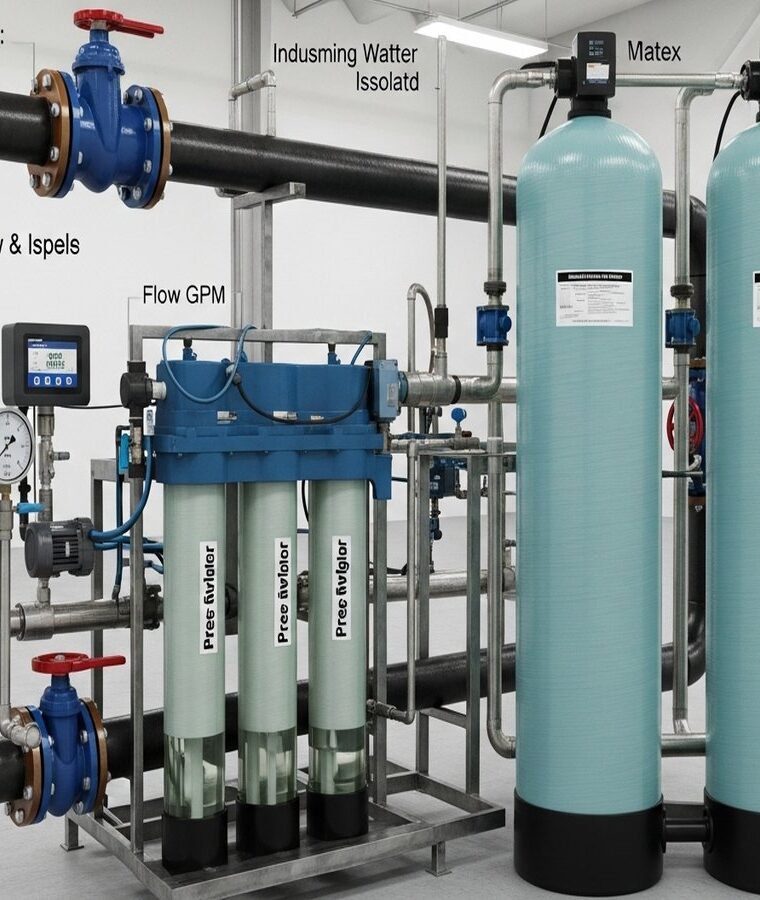
Water treatment can seem unnecessarily complicated when you first start looking into it. There are softeners, filtration units, reverse osmosis systems, and enough unfamiliar terminology to leave anyone scratching their head.
Most homeowners, though, have fairly simple questions. Why does the tap water taste strange? What’s causing those white marks on the shower door? Is installing a filtration system really worth the money?
For families throughout Northeast Illinois, understanding the basics can make choosing a suitable treatment system much easier.
This guide brings together water treatment frequently asked questions to help homeowners understand common problems, explore practical solutions, and make informed decisions without getting lost in technical details.
How Can I Tell if My Home Has Hard Water?
Hard water often leaves behind noticeable clues. You might discover chalky deposits around faucets, cloudy spots on glassware, or soap residue that seems particularly difficult to remove.
These problems are commonly associated with dissolved calcium and magnesium.
Hardness can also contribute to scale accumulation inside water heaters and other household appliances. While hard water isn’t generally considered a health hazard, it can create frustrating maintenance issues.
A professional hardness test can confirm whether excessive mineral concentrations are responsible for the problems you’re experiencing.
Rather than guessing based on visible deposits, testing provides a reliable starting point for deciding whether treatment would be beneficial.
Why Does My Tap Water Sometimes Taste or Smell Strange?
An unpleasant taste or odor doesn’t necessarily have one straightforward explanation. Chlorine, dissolved minerals, plumbing conditions, and naturally occurring substances can all influence how water tastes or smells.
Finding reliable answers to common water quality questions often begins with identifying when these changes occur and whether they affect multiple fixtures throughout the house.
For example, a rotten egg odor occurring only when using hot water might suggest a water heater-related problem.
A persistent metallic taste could warrant investigation into mineral concentrations or plumbing corrosion.
If changes occur suddenly or continue for an extended period, appropriate testing is worthwhile.
Remember, pleasant-tasting water isn’t automatically safe, just as an unusual taste doesn’t automatically indicate contamination.
What’s the Difference Between Softening and Filtration?
This is probably one of the most confusing topics for homeowners exploring treatment equipment for the first time.
Traditional softening systems primarily reduce calcium and magnesium through ion exchange. Filtration equipment, meanwhile, targets specific substances according to its design.
Many water softener and filtration FAQs focus on whether homeowners need both technologies. The answer depends entirely on the condition of their water supply and what they’re hoping to improve.
A household experiencing excessive hardness might benefit from softening alone. Another property may need additional filtration to address sediment, unpleasant odors, or specific drinking water contaminants.
Neither technology should be considered a universal solution. Understanding their individual functions helps homeowners avoid unnecessary purchases.
Is Reverse Osmosis a Good Choice for Drinking Water?
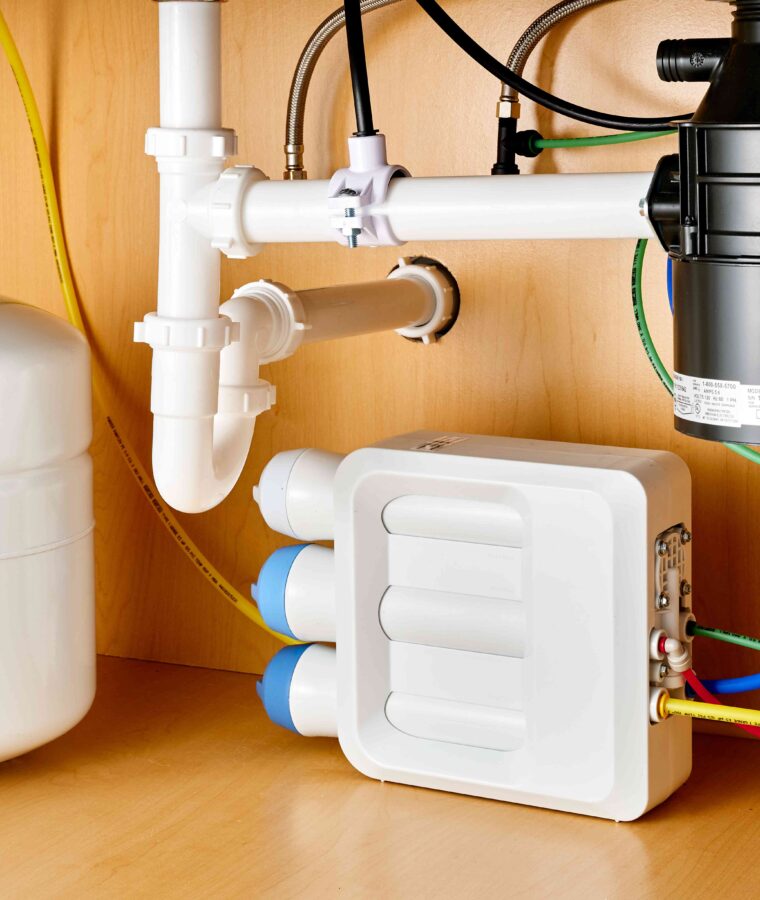
Reverse osmosis is a treatment method that uses pressure to move water through a semipermeable membrane, reducing various dissolved substances.
These systems are frequently installed beneath kitchen sinks and provide treated water through a separate faucet.
They’re worth considering when water testing identifies substances that a properly certified reverse osmosis system can effectively reduce.
However, homeowners should also consider installation space, maintenance requirements, and water efficiency.
Replacement filters and membranes contribute to ongoing operating costs, so it’s sensible to understand these responsibilities before purchasing equipment.
Not everyone needs reverse osmosis. Sometimes, a simpler filtration arrangement adequately addresses the identified concerns.
Do I Need Water Treatment if I Receive Municipal Water?
Municipal water supplies undergo treatment and monitoring before reaching residential properties. However, homeowners may still experience hardness, chlorine taste, or concerns associated with their home’s plumbing.
Additional treatment may be worthwhile depending on individual preferences and water quality findings.
Start by reviewing your water supplier’s annual quality report. If necessary, arrange testing at your property to investigate specific concerns.
Private well owners have different responsibilities because they generally need to arrange their own water testing and maintenance.
Knowing your water source makes it easier to determine whether additional equipment would provide meaningful benefits.
How Often Do Water Treatment Systems Need Maintenance?
Maintenance requirements vary depending on the equipment, water conditions, and household consumption.
Softening units generally need regular salt replenishment and occasional servicing. Filtration systems require cartridge replacements, while reverse osmosis equipment also needs periodic membrane replacement.
It’s easy to forget these responsibilities when everything appears to be working properly.
Following manufacturer recommendations helps maintain equipment performance and reduce the likelihood of unexpected problems.
Keeping a simple maintenance calendar can be particularly useful for busy households.
Can Water Treatment Help Reduce Household Expenses?
Appropriate treatment may help reduce certain ongoing expenses, particularly those associated with excessive hardness and mineral accumulation.
For example, softened water can improve soap lather, potentially reducing the amount of detergent needed for some cleaning tasks.
Managing scale accumulation may also help reduce certain appliance maintenance requirements.
However, actual savings vary, and treatment equipment introduces its own operating expenses. Consider installation costs, replacement components, and servicing requirements before estimating financial benefits.
Making Water Treatment a Little Less Complicated
Improving household water quality doesn’t have to feel overwhelming. Start by identifying your concerns, arrange appropriate testing, and explore equipment designed to address the findings.
For Northeast Illinois homeowners, asking questions and understanding treatment options can prevent unnecessary spending while delivering worthwhile everyday improvements.
You don’t need to become an expert in water chemistry to make a sensible decision. You simply need reliable information, suitable equipment, and professionals who are willing to explain things clearly.
After all, better water should make life easier, not more complicated.