Pets have a way of becoming part of everyday routines so naturally that many of their best moments are easy to overlook. A funny sleeping position, a favorite spot on the couch, or an expression captured at exactly the right second can eventually become a treasured memory. Finding creative ways to preserve those moments can make a home feel more personal while celebrating the animals that are part of the family.
Fortunately, preserving pet memories does not require filling every wall with photographs. From carefully organized digital collections to customized home accessories, there are plenty of ways to turn favorite moments into lasting keepsakes.
Build a Better Collection of Everyday Photos
Most pet owners already have hundreds—sometimes thousands—of photographs on their phones. The challenge is making sure the best images do not disappear into an enormous camera roll.
Start by creating a dedicated album for your pet. Every few months, review recent pictures and add the strongest ones. Instead of keeping 15 nearly identical photos, choose the image that best captures the moment.
Variety makes the collection more meaningful. Try saving photographs that document different parts of your pet’s life, including:
- Quiet moments around the house
- Outdoor adventures and walks
- Holidays and family gatherings
- Favorite sleeping positions
- Trips and vacations
- Interactions with other pets or family members
- Particularly funny expressions
- Milestones such as adoption days and birthdays
Over time, this creates something closer to a visual biography than a random folder of snapshots.
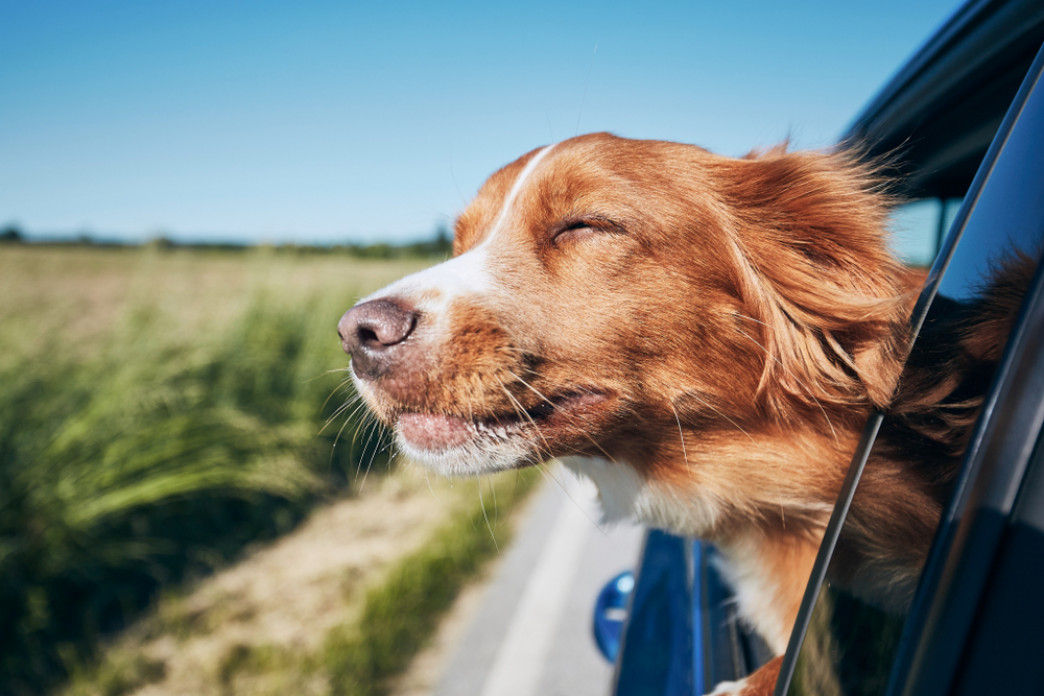
Do not overlook imperfect photographs, either. A slightly crooked picture of a dog racing through the yard may carry more personality than a carefully posed portrait.
Bring Favorite Images Into the Physical World
Digital photographs are convenient, but physical keepsakes give favorite images a different role. Instead of occasionally appearing while scrolling through a phone, they become part of the environment.
Traditional framed photographs remain one of the easiest options. A small frame can fit naturally on a desk, bookshelf, nightstand, or entryway table. Larger prints can become part of an existing gallery wall alongside photographs of family, friends, vacations, and important events.
There are also less conventional approaches. A favorite image can become an illustration, ornament, textile, or decorative accessory. A personalized pet photo pillow, for example, provides a way to transform a meaningful photograph into something that can be incorporated into a bedroom or living space rather than simply displayed in a frame.
The objective is not to reproduce every photograph you love. Choose a small number of images that capture something distinctive about your pet and select a format appropriate for each one.
Choose Photos With Personality
The “best” photograph for a personalized keepsake is not always the most professional-looking one. Technical quality matters, but personality often matters more.
Think about what immediately comes to mind when you picture your pet. Perhaps your dog always tilts its head when it hears a particular word. Maybe your cat has an intensely serious expression despite being extremely affectionate. Those recognizable characteristics can make a photograph feel uniquely connected to the animal.
Pay Attention to Image Quality
Once you have found a photograph with personality, check its basic technical quality. Images intended for customized products or larger prints generally work better when the subject is clear.
Look for a photograph with good lighting, visible facial details, and minimal motion blur. Avoid screenshots when you still have access to the original photograph because the original file will generally contain more image information.
Backgrounds deserve consideration as well. A busy background might not matter when viewing a photograph on a phone, but it can distract from the pet when the image becomes part of a decorative item.
Natural daylight often produces particularly useful photographs. If you want to intentionally take new pictures, try positioning your pet near a large window or photographing outdoors when the sunlight is relatively soft.
Create a Pet Memory Box
Not every memory needs to be photographic. Physical objects can instantly bring back particular stages of a pet’s life.
A memory box provides one organized place for smaller items you want to preserve. Depending on the pet, that might include an old collar, identification tag, favorite bandana, adoption paperwork, puppy or kitten photographs, competition ribbons, or souvenirs from memorable trips.
You can also add written memories. A few sentences describing funny habits, favorite games, nicknames, or memorable incidents may become surprisingly valuable years later.
Consider dating these notes. Details that seem impossible to forget today can become hazy over time, and even a simple date provides useful context.
For households with multiple pets, separate boxes or clearly divided sections can keep each animal’s story organized.
Document the Ordinary Routines
People naturally photograph major occasions, but everyday routines often become the memories they miss most.
Think about the small behaviors that define your pet’s personality. Maybe your dog waits beside the same window every afternoon. Perhaps your cat insists on sitting beside your keyboard while you work. These moments may not initially seem important enough to document, but they represent what daily life with that animal actually feels like.
Take occasional photographs and short videos of these routines. You can also write down stories while they are fresh.
One useful habit is creating an annual “pet year in review.” At the end of each year, choose a handful of favorite photos and record a few memorable moments. This does not need to become an elaborate scrapbook. A single page of notes accompanied by several images is enough to create a meaningful record.
Make Pet Decor Part of the Room, Not the Theme
Displaying pet memories does not mean transforming an entire room into pet-themed decor. In many homes, a restrained approach produces a more natural result.
Choose a few meaningful items and integrate them with what is already there. A customized pillow can sit among solid-colored cushions. A framed pet portrait can join a gallery wall containing other family photographs. A small keepsake can share a shelf with books and travel souvenirs.
Color can help connect personalized pieces to the rest of a room. If a photograph contains strong colors, surrounding it with more neutral accessories gives it room to stand out. If the image itself is subtle, it can work comfortably within a more colorful setting.
The goal is to make pet memories feel like an authentic part of the household rather than a separate decorating category.
Remember That Memories Can Be Practical
Keepsakes do not always have to sit untouched in a box. Some of the most enjoyable personalized items are objects that remain part of everyday life.
That might mean displaying a photograph near your workspace, creating a yearly calendar from favorite images, or incorporating a customized textile into a comfortable corner of the house. Practical objects keep memories visible without requiring additional display space.
This can also make personalized pet items thoughtful gifts. Instead of guessing at another toy or accessory for the animal, a well-chosen photograph can become something intended specifically for the owner.
Conclusion
Preserving pet memories is ultimately about noticing what makes an animal distinctive and finding ways to keep those details accessible. Photographs are a natural starting point, but memory boxes, written stories, videos, and personalized decor can all capture different aspects of life with a pet.
There is no need to document everything. A carefully chosen collection of ordinary moments can tell a richer story than hundreds of forgotten images. By preserving favorite photographs and incorporating a few meaningful keepsakes into everyday spaces, pet owners can create a record that reflects not just what their pets looked like, but the personality and routines that made them such an important part of home.