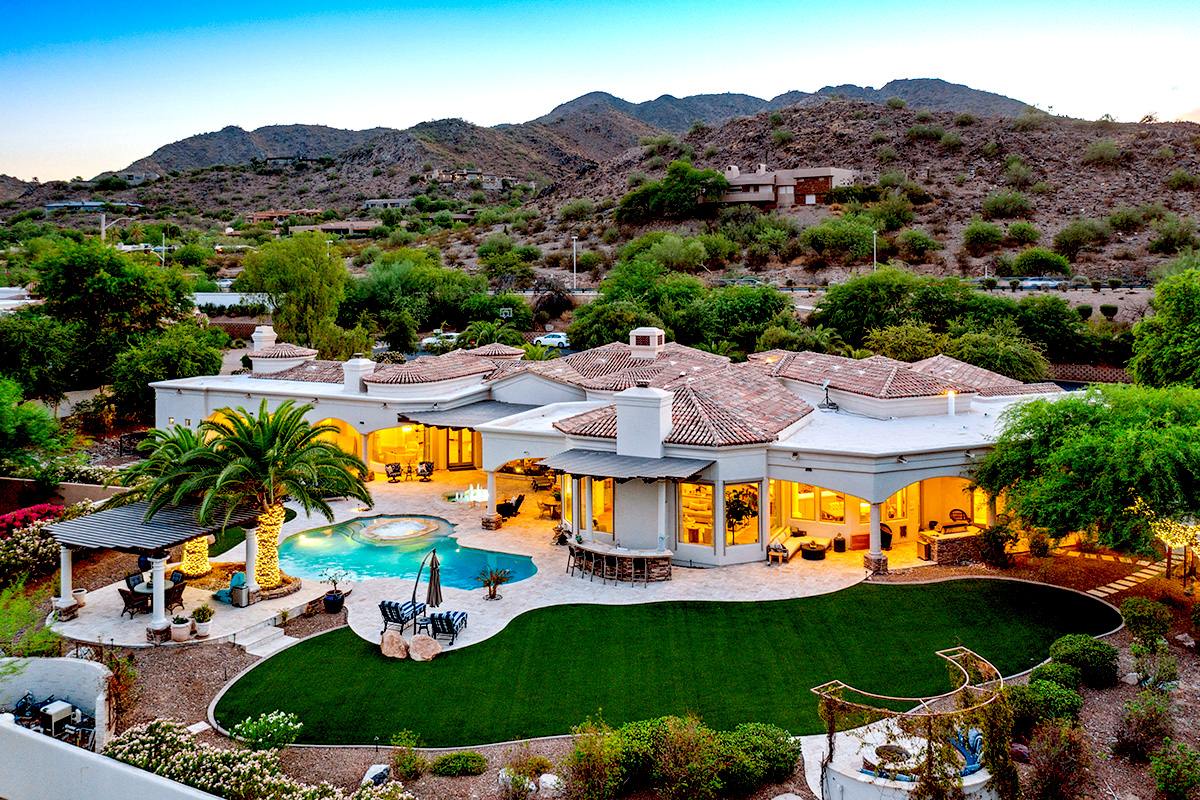
Building a custom home offers something an existing property rarely can: the opportunity to make fundamental decisions around your lifestyle, property, preferences, and long-term plans. In Paradise Valley, Arizona, that opportunity comes with distinctive considerations, from desert conditions and mountain views to indoor-outdoor living and architectural character.
A successful project begins well before construction crews arrive. Understanding the decisions that shape a custom residence can help homeowners create a property that feels intentional rather than simply impressive.
Let the Property Guide the Design
With custom construction, it can be tempting to develop a wish list of rooms and features before thinking deeply about the homesite. However, the characteristics of the property should influence many of the earliest design decisions.
Orientation is particularly important in the Arizona desert. The direction a home faces can affect natural light, heat exposure, privacy, outdoor comfort, and the views available from key rooms.
Rather than treating these factors independently, homeowners and their design teams can evaluate them together. A dramatic view, for example, might influence the location of the primary living area, while sun exposure could determine how windows, covered patios, and outdoor gathering areas are positioned.
Topography matters as well. Instead of forcing a predetermined design onto a site, custom construction can respond to the property’s natural characteristics. This approach can result in architecture that appears connected to its surroundings rather than imposed upon them.
Develop the Floor Plan Around Daily Routines
Beautiful architecture is important, but homeowners experience their property through everyday routines.
Think about a typical morning. Where do you enter the kitchen? How far is the primary bedroom from the main living areas? Is there a convenient transition from the garage into the house? Where are groceries unloaded and stored?
Then consider less frequent but equally important situations. What happens when extended family visits? Where do guests gather during a dinner party? Can someone work from home without being interrupted by activity elsewhere in the house?
Questions like these can reveal which features deserve priority.
A personalized floor plan might include:
- A dedicated home office separated from high-traffic areas
- A guest suite offering greater privacy
- A walk-in or secondary pantry near the kitchen
- Convenient connections between the garage and storage areas
- An exercise or wellness room
- Flexible spaces capable of changing purpose over time
- Direct access from major living spaces to outdoor entertaining areas
- Specialized storage for hobbies, equipment, or collections
The goal is not necessarily to add more rooms. It is to make each area earn its place within the overall design.
Treat Outdoor Areas as Living Spaces
In Paradise Valley, exterior spaces can play an important role in the experience of a custom home. They should therefore receive the same level of planning as interior rooms.
A covered patio, for example, becomes more useful when its relationship with the kitchen, living room, pool, and landscape has been carefully considered. Outdoor dining areas benefit from convenient kitchen access, while conversation spaces can be positioned to capture desirable views.
Shade is another fundamental consideration. Arizona’s abundant sunshine makes thoughtful coverage essential for creating exterior areas that remain comfortable during more of the year.
This is where early planning becomes particularly valuable. When pools, patios, landscape features, exterior kitchens, lighting, and architectural overhangs are incorporated into the overall concept, the finished property can feel cohesive.
Homeowners researching luxury custom home construction in Paradise Valley can benefit from considering how the entire homesite—not only the enclosed structure—will support their preferred lifestyle.
Balance Statement Features With Lasting Design
Custom homes naturally provide opportunities for distinctive features. Dramatic entryways, expansive glass walls, sculptural staircases, wine rooms, oversized kitchen islands, and resort-inspired primary suites can all contribute personality.
The challenge is deciding where architectural impact adds genuine value.
One useful approach is to establish a hierarchy. Select a few areas where dramatic design will have the greatest effect, then allow supporting spaces to be more restrained. This prevents every room from competing for attention.
Prioritize Permanent Decisions
Home trends evolve, but some choices are much harder to change than others.
Structural layouts, window placement, ceiling configurations, exterior materials, and major built-ins are relatively permanent. These elements benefit from careful consideration and an emphasis on proportion, craftsmanship, and long-term appeal.
Decorative elements are easier to update. Paint, furniture, certain fixtures, accessories, and artwork allow homeowners to experiment with current preferences without making the architecture dependent on a particular trend.
This distinction can help create a home that feels contemporary when completed but does not quickly appear dated.
Plan the Details Before Construction Begins
Some of the biggest frustrations during a custom build come from decisions that were postponed rather than decisions that were made incorrectly.
A custom home involves an enormous number of interconnected choices. Changing one feature after construction has progressed can affect several others, potentially adding time, cost, or complexity.
Early planning should extend beyond obvious choices such as flooring and countertops. Homeowners should consider electrical outlets, charging locations, lighting controls, appliance placement, cabinet interiors, storage dimensions, plumbing fixtures, audiovisual equipment, window treatments, and furniture placement.
Lighting is a particularly good example. Knowing where furniture, artwork, countertops, and architectural features will be located allows lighting to be designed around actual use rather than added generically.
The same principle applies to technology. Planning infrastructure early can create a cleaner result than attempting to incorporate equipment after finishes have been installed.
Build Flexibility Into the Home
A custom home may be designed for today’s lifestyle, but ideally it will continue working as circumstances change.
That does not require predicting the future. Instead, homeowners can incorporate flexibility into spaces that may eventually serve different purposes.
A secondary bedroom might initially function as an office. A recreation room could later accommodate visiting family. Storage can be designed generously enough to support changing interests. Thoughtful circulation and accessibility considerations may also make a property more practical over the long term.
Even technology should be approached with adaptability in mind. Specific devices can become outdated relatively quickly, while well-planned infrastructure can make future upgrades easier.
Thinking beyond immediate needs can reduce the likelihood that a beautifully customized residence becomes unnecessarily restrictive later.
Conclusion
Custom home construction in Paradise Valley is an opportunity to create a residence around a particular property and the people who will live there. Achieving that result requires more than selecting premium finishes. It involves understanding the site, planning daily movement, connecting indoor and outdoor spaces, establishing design priorities, and making important decisions early enough for them to be integrated properly.
The strongest custom homes often feel effortless when completed, but that simplicity is usually the result of considerable planning behind the scenes. Every view, transition, material, and functional detail contributes to the larger experience.
By approaching the project as one connected design rather than a collection of individual rooms and features, homeowners can create a residence that responds naturally to the Paradise Valley setting while remaining personal, functional, and adaptable for years to come.